


Having a beautiful smile and well-aligned teeth significantly impacts an individual’s self-confidence and even improves social interactions. However, traditional orthodontic treatments, due to the unsightly appearance of metal brackets, can sometimes even diminish an individual’s self-confidence throughout the entire orthodontic treatment period. It is precisely because of this unpleasant appearance that many people decide against undergoing orthodontic treatment. But can an ideal smile be achieved without those bulky brackets? The good news is that clear orthodontics, as an advanced solution, has made this aspiration a reality.
Clear orthodontics is an effective and, notably, discreet orthodontic method for smile correction. Below, we’ll explore the advantages and disadvantages of clear orthodontics, so you can make an informed decision about your dental health and aesthetics, ultimately achieving the smile you deserve.
What is Clear Orthodontics?
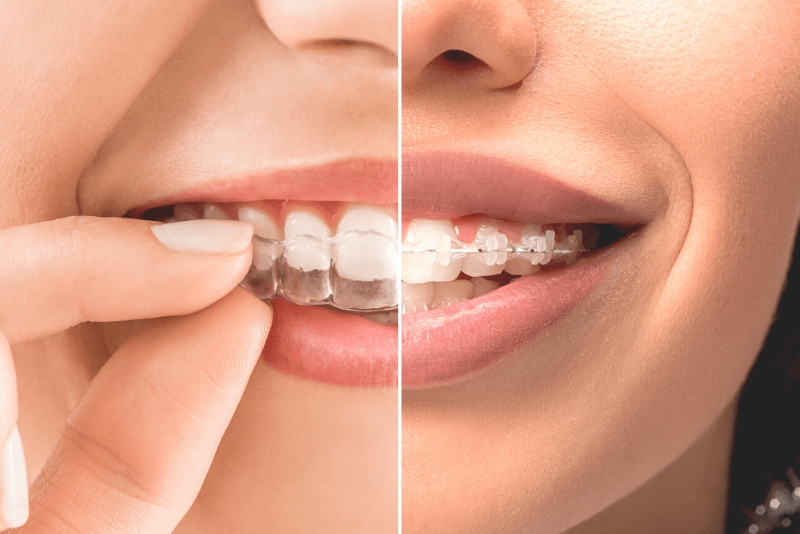
Clear orthodontics is a type of invisible orthodontics. Invisible orthodontic methods each discreetly or sometimes completely conceal the appearance of the treatment. Generally, these methods are divided into two main categories: fixed invisible orthodontics and removable invisible orthodontics. To learn more about various invisible orthodontic methods, you can refer to an article on “Invisible Orthodontics.” In summary, invisible orthodontic methods include:
- Invisible orthodontics with clear aligners like Invisalign and Elite Aligner
- Lingual orthodontics
- Ceramic bracket orthodontics
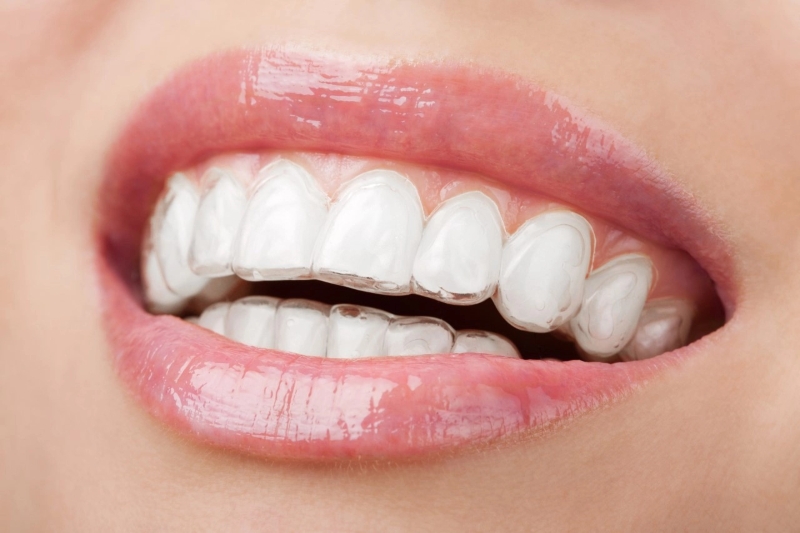
Clear orthodontics, or orthodontics with clear aligners, is a new orthodontic treatment method for straightening teeth. It gradually moves teeth using a series of aligners (clear plastic trays), which are made from high-quality thermoplastic materials. These aligners are custom-designed and manufactured for each individual using precise 3D scans of the patient’s mouth and advanced software. Clear aligners, which are virtually invisible, guide teeth to their correct position. Each aligner is designed for a specific stage of treatment, and the individual replaces their aligners at specified intervals to allow teeth to gradually shift. This method is the simplest treatment among invisible orthodontic types and is less noticeable than other methods.
Benefits of Invisible Orthodontics (Clear Aligners)
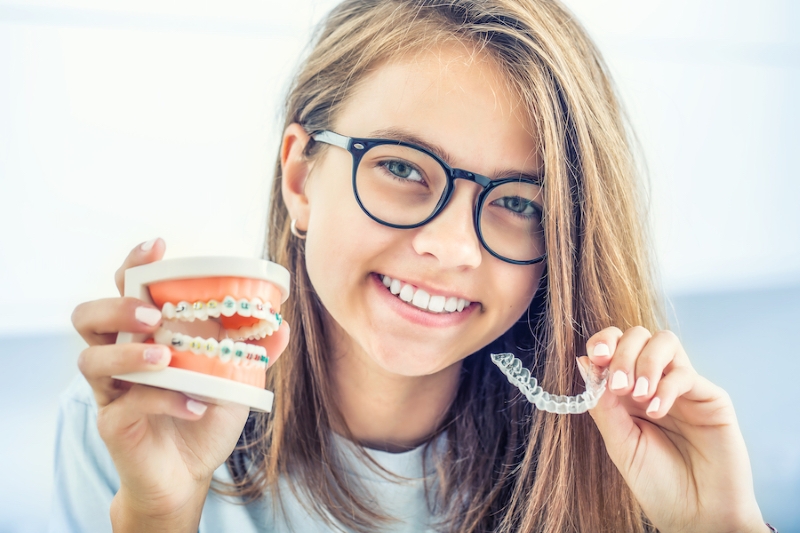
Clear orthodontics has gained significant popularity due to its impressive advantages, among both adults and adolescents. Undoubtedly, the most significant benefit of invisible orthodontics is its invisibility, which allows individuals to undergo their orthodontic treatment period without concern about visible orthodontic brackets. This feature is particularly appealing to adults, who are often more sensitive to the appearance of traditional metal brackets, helping them maintain full confidence in their social and professional environments.
The benefits of invisible orthodontics for adults extend beyond just aesthetics. When comparing invisible orthodontics and metal brackets, the comfort, hygiene, and care associated with clear orthodontics offer a clear advantage. These aligners are removable and can be taken out for eating, brushing, and flossing. This capability significantly simplifies the process of clear orthodontic care. The very removability of the aligners greatly contributes to oral health during treatment. Since the aligners are removable, patients can easily brush and floss their teeth, which helps prevent the accumulation of plaque and calculus, and reduces the risk of tooth decay and gum disease.
Furthermore, the absence of wires and metal brackets means less irritation to the gums and soft tissues of the mouth, which enhances the overall treatment experience. Add to this fewer and shorter visits to the dentist. Ultimately, with invisible orthodontics, the path to achieving an ideal smile becomes much smoother and more pleasant.
Disadvantages of Invisible Orthodontics
Despite all the advantages of invisible orthodontics with clear aligners, it’s essential to be aware of its few limitations and drawbacks. One of the primary considerations for clear aligner orthodontics is its limitation in treating certain complex dental and jaw malocclusions. While clear aligners are highly effective for simple to moderate irregularities, they are not a very effective standalone option for more severe malocclusions that require more extensive and complex corrections and movements.
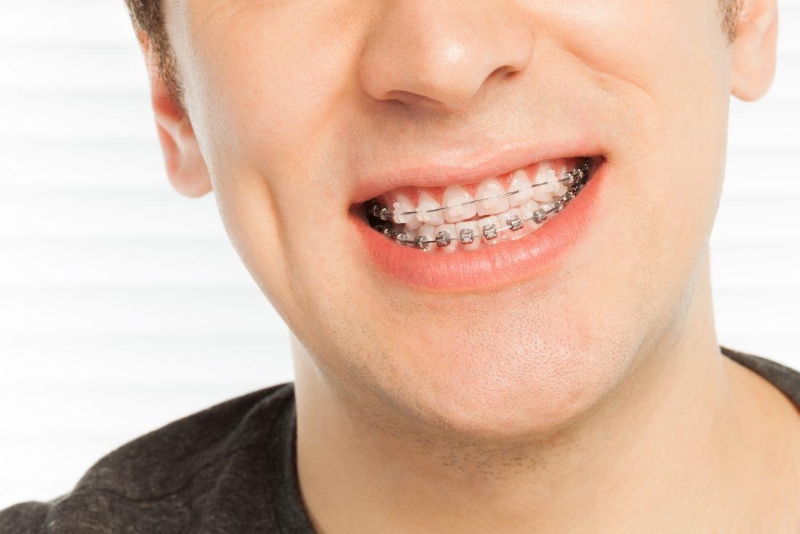
It’s important to note that clear orthodontics with aligners, in addition to complex dental irregularities, are also not suitable for skeletal jaw discrepancies (such as severe underbites or overbites). In such cases, metal bracket orthodontics or combination orthodontics might be more appropriate options. Furthermore, gum and tooth health is crucial before starting treatment. The presence of active gum disease (such as gingivitis and bleeding gums) prevents this treatment, and these issues must first be resolved. Smoking and consuming colored beverages (such as tea and coffee) can also stain the aligners, affecting their appearance.
Perhaps the need for effective and high patient cooperation during the treatment period can also be considered a disadvantage of invisible orthodontics, as adherence to instructions directly impacts the treatment outcome. In fact, for successful treatment, aligners must be worn for approximately 20 to 22 hours daily, and only removed for eating, drinking hot liquids, and brushing. Failure to adhere to this schedule or negligence in maintaining oral hygiene while using aligners can slow down the treatment process, compromise the final result, or even affect the individual’s gum and tooth health.
Care and maintenance of the aligners themselves is another point; these clear plastics may stain if proper hygiene is not maintained, or they may get damaged due to carelessness, necessitating replacement costs. The cost of clear orthodontics is typically higher than that of traditional metal bracket orthodontics. Therefore, individual commitment and responsibility play a crucial role in both the outcome and the cost of clear orthodontics.
Conclusion
Clear orthodontics is a suitable and modern method for achieving straight teeth and a beautiful smile. This invisible orthodontic method is more comfortable and hygienic than other methods. Orthodontics with clear aligners is an excellent option for adolescents who might not be diligent enough with hygiene and for adults seeking an alternative to metal brackets. However, aligners may not be suitable for all dental problems, require full patient cooperation, and the cost of invisible orthodontics with clear aligners may be higher than other methods. To choose the best method, consult with an orthodontist. You can contact Eliteligner Invisible Orthodontics Clinic for a free specialized consultation with experienced orthodontists.
Frequently Asked Questions
Who is clear orthodontics suitable for?
Clear orthodontics is highly suitable for individuals with mild to moderate dental irregularities, such as minor tooth misalignment or spacing issues. This method is particularly ideal for adults and teenagers who value a discreet appearance and can consistently wear aligners for 20 to 22 hours per day. However, for complex dental irregularities or skeletal jaw issues, other options, such as traditional metal braces, may be more appropriate.
Is clear orthodontics truly invisible?
Yes, clear aligners, made from high-quality thermoplastic materials, are nearly invisible and difficult to detect in the mouth. This feature makes them less noticeable in social or professional settings, making them an attractive option for individuals concerned about their appearance.
How should clear aligners be maintained?
Aligners must be worn for 20 to 22 hours daily, only being removed for eating, drinking hot liquids, or brushing teeth. For maintenance, aligners should be cleaned with lukewarm water and a soft toothbrush, avoiding exposure to colored liquids (such as tea or coffee) or high temperatures, which may cause staining or deformation. Additionally, maintaining proper oral hygiene is crucial to prevent tooth decay and gum disease.
How does the cost of clear orthodontics compare to traditional metal braces?
The cost of clear orthodontics is typically higher than that of traditional metal braces, as aligners are custom-made using advanced technology, such as 3D scanning and personalized design. However, costs vary depending on factors like the complexity of the treatment and the number of aligners required. For precise pricing, consulting an orthodontist is recommended.