



Have you ever wondered about the secret behind a beautiful smile and perfectly aligned teeth? Perhaps you are among the millions of people looking for a way to improve the appearance of their teeth while maintaining their oral health. To truly understand the differences and advantages of various orthodontic methods, it’s essential to first familiarize yourself with orthodontic brackets, their function, and their types. In this article, we will examine these key components of orthodontic treatment to help you make the most informed decision for achieving your dream smile.
What is a Bracket?
Orthodontic brackets are the small attachments that are bonded to the surface of the teeth. They play a pivotal role in moving teeth into their correct positions. These small orthodontic brackets are, in fact, part of a complex and precise system that consists of archwires and, sometimes, elastics (rubber bands) or other accessories. The archwires pass through slots designed within the brackets and, by applying gentle and continuous pressure, gradually move the teeth towards their desired final position.
Types of Brackets
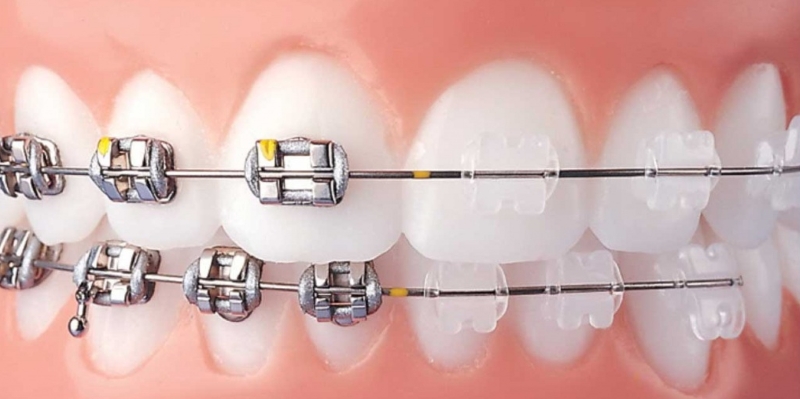
There are various types of orthodontic brackets, each with its own advantages and disadvantages. The choice of bracket type depends on several factors, including the severity of the dentofacial malocclusion, aesthetic concerns, the patient’s lifestyle, and the orthodontist’s recommendations. Understanding how each type of orthodontic bracket works and their differences will help you make a more informed decision.
Metal Brackets
These brackets are typically made from high-quality stainless steel and are considered one of the most popular orthodontic methods due to their durability, strength, and cost-effectiveness. Although their appearance is more noticeable, they are highly effective in correcting complex malocclusions. Metal brackets are prescribed for treating a wide range of dental malocclusions, including severe and complex cases, due to their high strength and ability to apply significant, controlled force. Lingual brackets, in particular, are very effective in cases requiring extensive and complex movement and correction. Furthermore, due to their high resistance to breakage, they are a suitable option for children and adolescents who are typically more physically active.
Ceramic Brackets
These brackets are made from transparent ceramic materials and are also known as tooth-colored brackets or clear brackets. Consequently, they have a more discreet appearance. However, they may be slightly more brittle than metal brackets and are prone to staining. Clear ceramic brackets are an orthodontic treatment method suitable for individuals who prioritize aesthetics during their orthodontic treatment period. These brackets are used for correcting mild to moderate dental irregularities. However, due to their relative brittleness and potential for discoloration (if proper oral hygiene is not maintained), they are not highly recommended for very severe cases or for patients who frequently consume colored foods and beverages.
Lingual Brackets
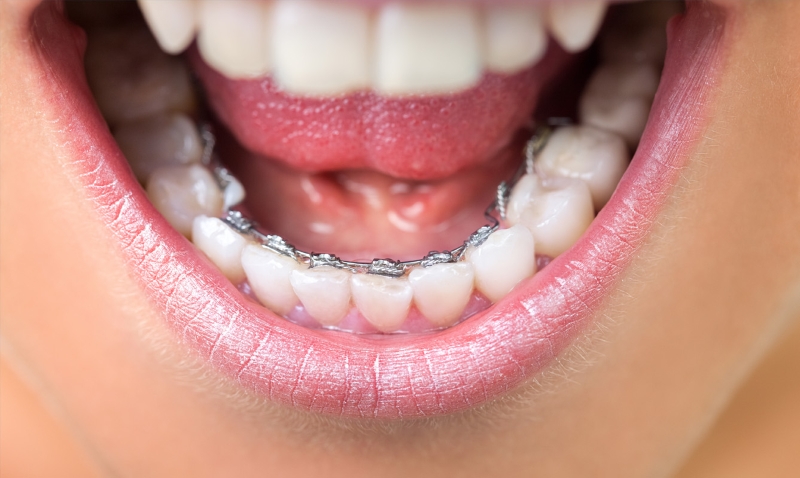
Lingual brackets are bonded to the back (lingual surface) of the teeth and are completely hidden from view. However, the treatment process might be more complex and prolonged. Additionally, they may initially affect the individual’s speech. Lingual brackets are ideal for individuals who absolutely do not want their brackets to be visible, such as those in professions like acting or public speaking. This method can be used for correcting various dental irregularities, from mild to relatively severe. However, due to its technical complexity and the significant discomfort it can cause to the tongue, it is not very popular.
Invisible Brackets (Clear Aligners)

Unlike traditional brackets that are bonded to the tooth surface and are fixed, clear aligners (like Elite Aligner) are actually a series of transparent and removable trays that are custom-made for your teeth. These aligners gradually move the teeth to the desired position and have gained significant popularity due to their transparency and removability. However, they require high patient cooperation and discipline in their use.
Invisible aligners are primarily used for correcting mild to moderate dental irregularities, such as minor misalignments, gaps between teeth (diastema), or mild crowding. They are suitable for adults and adolescents seeking a flexible and virtually invisible option. The success of treatment with these aligners heavily depends on the patient’s cooperation in wearing them consistently (at least 20 to 22 hours per day). For very complex cases or severe jaw discrepancies, other options might be more effective.
Conclusion
As discussed, orthodontic brackets play a pivotal role in correcting dentofacial malocclusions. Choosing the best orthodontic method is a decision that should be made considering the severity of the malocclusion, individual preferences, lifestyle, and, of course, specialized consultation with an experienced orthodontist. This choice not only impacts your appearance during treatment but also plays a significant role in your long-term oral health. If you wish to gift yourself a beautiful smile, contact the Elite Aligner Specialized Invisible Orthodontics Clinic for a free and professional consultation with experienced orthodontists.